Paver Cleaning, Re-Sanding & Sealing in Tampa
Dark joints, green buildup, loose sand, and faded-looking pavers can make a driveway, walkway, or patio look worn. Our paver service focuses on cleaning the system first, then deciding whether re-sanding or sealing is appropriate.
Tampa Weather Can Be Tough on Pavers
Pavers deal with rain, humidity, irrigation, sun, leaves, foot traffic, and vehicle use. Moisture and debris often collect in the joints, which is why algae and weeds can become noticeable there first.
Over time, joint sand may also wash out or become uneven.
Paver cleaning should protect the surface while paying attention to the joints. The goal is not to blast away as much material as possible.
What Paver Cleaning Includes
A paver-cleaning project can involve treatment of organic buildup, controlled surface cleaning, edge work, joint detailing, and rinsing.
After cleaning, the joints can be reviewed to see whether new sand is needed. Re-sanding and sealing should be based on the actual condition of the pavers rather than automatically added to every job.
Our Paver Service Process
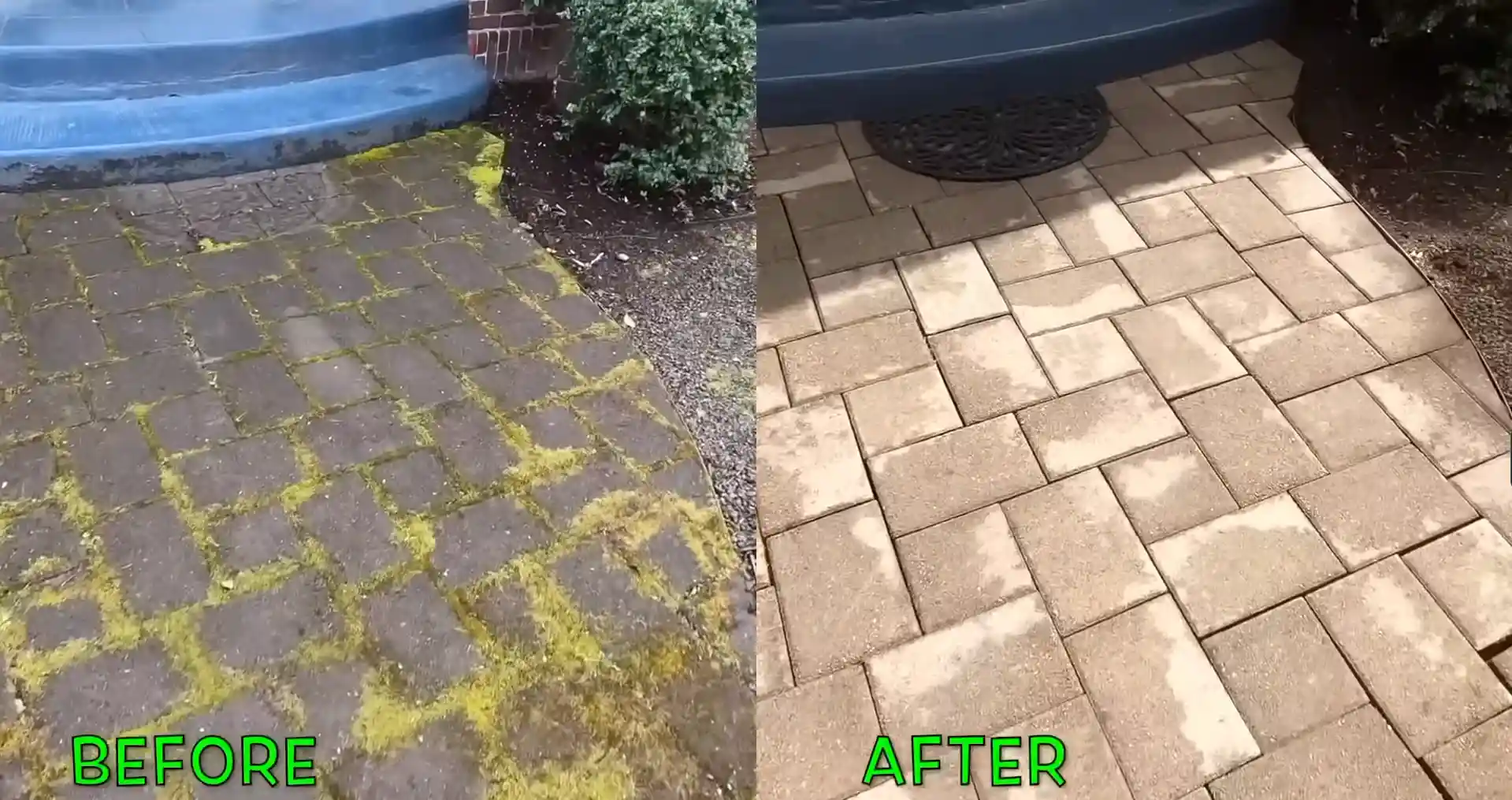
How We Approach the Work
Inspect the Surface and Joints
We check for algae, stains, loose sand, drainage, existing sealer, and damaged areas.
Clean the Pavers
Organic buildup and grime are cleaned with a controlled method suited to the paver condition.
Review the Joint Sand
Once the surface is clean, the remaining joint material can be evaluated.
Re-Sand When Needed
New sand can be added where the joints require it.
Allow Proper Drying Before Sealing
Sealing should not be rushed onto a surface that is still holding moisture.
Common Questions About This Service
When Does Re-Sanding Make Sense?
Re-sanding can help refill joints that have lost material through weather, wear, or cleaning. The need depends on joint depth, existing sand, and the condition of the paver system. It is a restoration step, not simply another word for cleaning.
When Should Pavers Be Sealed?
Sealing is a separate finishing step that may help protect the surface and joint system, depending on the product and project goals. Before sealing, the pavers need proper cleaning and enough drying time. Tampa humidity, shade, drainage, and recent rain can all affect drying conditions. Previously sealed pavers also need closer inspection. Cloudy, peeling, whitening, or uneven old sealer may require more preparation before another product is applied.
Can Pressure Washing Damage Pavers?
Aggressive cleaning can disturb joints, damage weak surfaces, or leave an uneven result. Controlled cleaning is more important than maximum pressure.
Frequently Asked Questions
No. Cleaning, re-sanding, and sealing are related but separate decisions.
Some stains may improve with specialty treatment, but the material, sealer, and stain depth matter.
Some finishes can affect traction when wet, so product choice matters around pool areas and other wet surfaces.
Request a Paver Service Quote
If your Tampa pavers have dark joints, green buildup, missing sand, or a tired finish, share photos and the project area so the cleaning, re-sanding, and sealing needs can be evaluated separately.